Sep 8, 2026QUALITY NOTES
Pre-Mass Production in Manufacturing: Definition, Process and 4 Key Checks
Learn what pre-mass production means in manufacturing, how it differs from mass production, and which sample, material, packaging and quality checks buyers should confirm before bulk production.
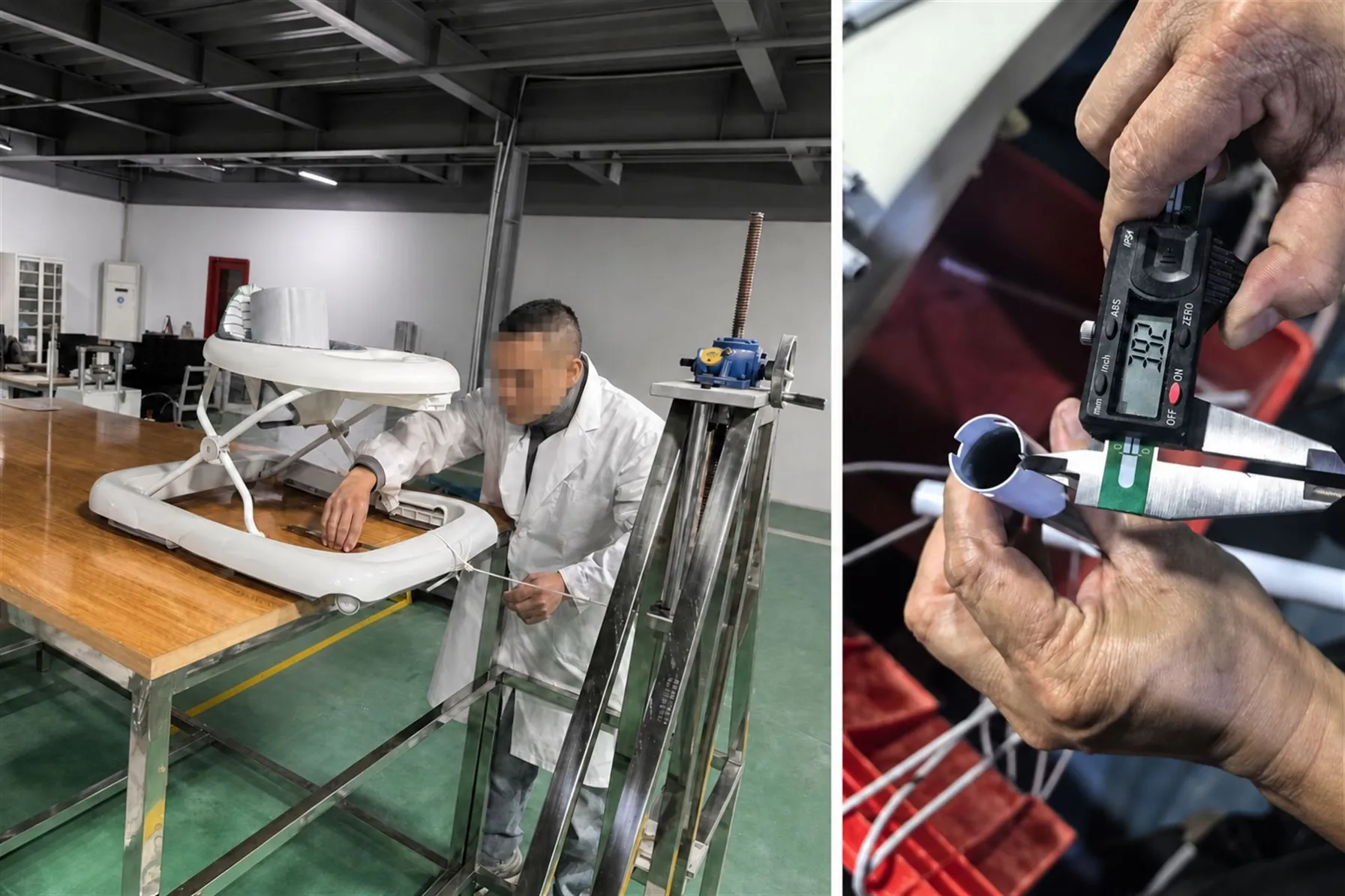
What is pre-mass production manufacturing? Pre-mass production is the validation stage between product sampling and full-scale mass production. It confirms whether tooling, materials, assembly, packaging, labels and quality requirements are ready for bulk factory production through a final approved pre-mass production sample.
For OEM/ODM buyers, this stage matters because it turns an approved idea into a repeatable production standard. Before a factory starts bulk manufacturing, the buyer and supplier should confirm the sample, materials, color, structure, packaging, labels, carton marks and approval records.
Pre-Mass Production vs. Mass Production: Why This Stage Matters
Pre-mass production is the final validation step before a bulk order is released. Mass production is the repeated manufacturing run that follows after the buyer and factory agree that the approved sample can be used as the production reference.
If this stage is skipped or handled loosely, small sample-level problems can turn into batch-level issues: wrong materials, inconsistent color, weak stitching, inaccurate labels, incorrect packaging, unclear carton marks or assembly details that are difficult to correct after production starts.
That is why LeKee Care treats pre-mass production sample approval as a shared checkpoint across baby products, kids ride-on products, pet products and other OEM/ODM programs.
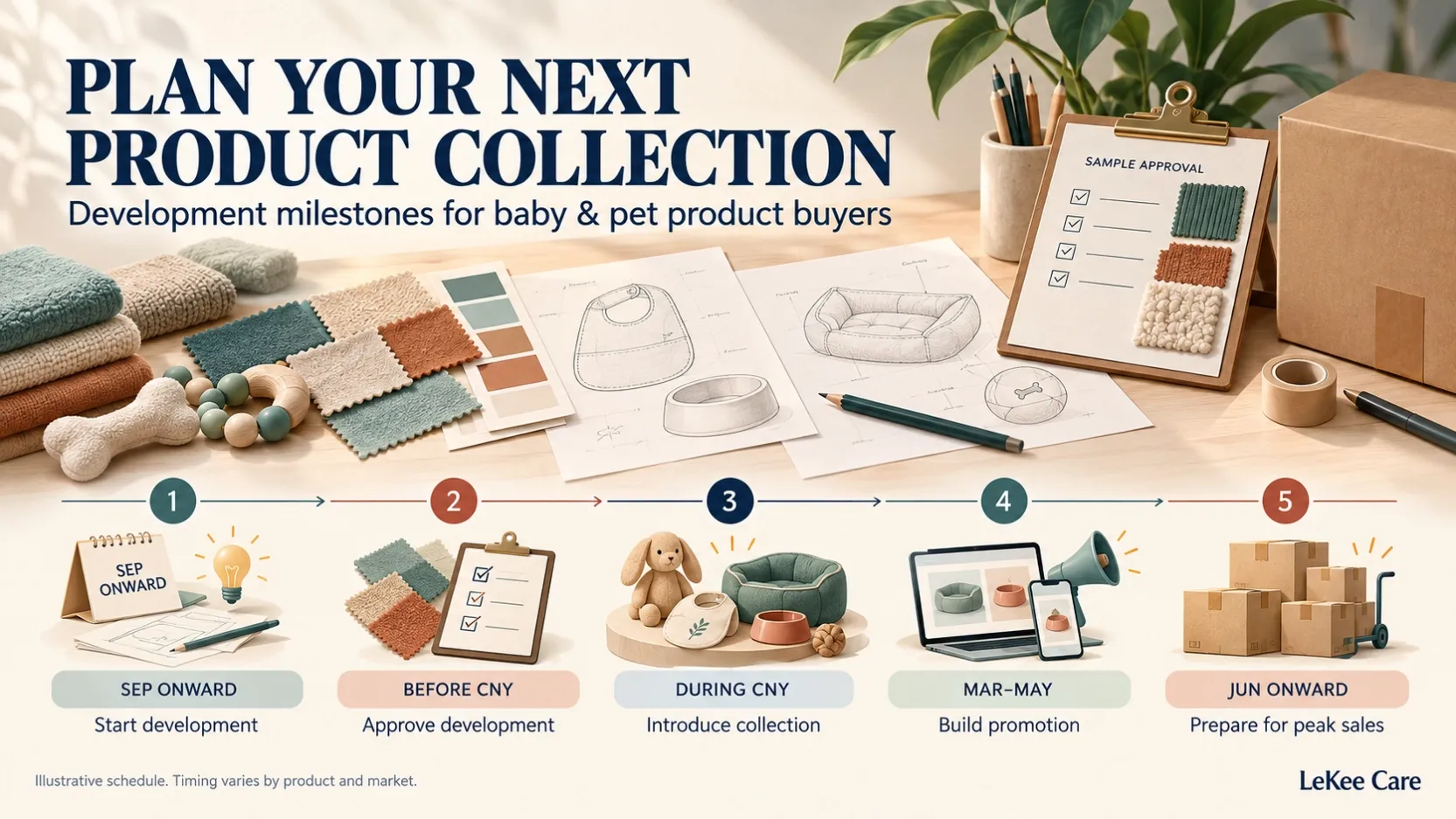
Typical Pre-Mass Production Process
Product brief confirmation: confirm target market, use scenario, product structure, materials and buyer requirements.
Prototype or first sample review: check whether the early sample matches the design direction and sourcing goal.
Material and color approval: confirm fabric, plastic, metal, corrugated board, foam, coating, Pantone reference or approved swatch.
Pre-mass production sample: approve the final sample that the factory will follow during bulk manufacturing.
Packaging and label confirmation: review artwork, barcode, SKU labels, warning labels, instruction sheets and carton marks.
Buyer approval before bulk production: keep written approval records, sample photos and final comments.
Mass production start: release the order only after the final sample and production details are confirmed.
4 Key Checks Before Mass Production
The following checks help buyers reduce production risk before releasing a factory order. They are especially useful for importers, distributors, Amazon sellers, retail buyers and private-label brands sourcing OEM/ODM products from China.
1. Confirm Materials, Color and Surface Finish
Buyers should confirm the approved fabric, plastic, metal, corrugated cardboard, foam, coating or other key material before production is released. If a Pantone number, color chip, swatch, approved image or confirmed sample exists, it should be compared against the pre-mass production sample.
For baby products, fabric feel, breathable mesh, frame stability and touch points may influence buyer acceptance. For kids ride-on products, plastic color, frame finish, wheel parts and seat adjustment may be more important. For pet products, durability, ventilation, scratching surface, cleanability and flat-pack assembly may become the key review points.
2. Review Structure, Function and Safety-Related Details
The approved sample should show the structure and function expected in real use. Depending on the product, this may include frame stability, folding points, wheels, handles, zippers, stitching, connectors, scratching surfaces, load-bearing areas or assembly parts.
Buyers should take photos and notes of critical areas. These records help the factory team understand which details must remain consistent during mass production.
3. Confirm Packaging, Labels and Carton Marks
Packaging and labels should be confirmed before mass production because they affect production timing, packing work, warehouse preparation and shipment readiness. This step is especially important for U.S. buyers preparing products for Amazon, retail shelves, distributors or private-label channels.
Confirm retail packaging artwork, inner protection, carton size, packing quantity, barcode placement, SKU labels, carton marks, instruction sheets, warning information and any market-specific wording. If packaging files or label requirements are delayed, final packing may also be delayed.
Related guide: How U.S. Buyers Can Confirm Packaging, Labels and Lead Time Before OEM/ODM Production
4. Keep a Clear Approval Record
A simple approval record helps the buyer, merchandiser and production team use the same reference. This record may include approved photos, sample comments, packaging files, label files, color references, measurement notes and final order requirements.
The goal is not paperwork for its own sake. The goal is to reduce misunderstandings between buyer and factory teams before production begins.
Buyer Checklist Before Bulk Production
Product size, structure and main function
Material type, thickness, surface finish and color
Logo position, printing method and artwork accuracy
Packaging style, carton size and packing quantity
Barcode, SKU label and carton mark requirements
Instruction sheet, warning label or market-specific text
Assembly method, if the product is shipped flat-packed
Critical workmanship points that should remain consistent in bulk production
Final order quantity, mixed-color plan and production lead time
How This Applies Across Baby, Kids and Pet Products
The same pre-mass production logic applies across different LeKee Care product lines. A baby electric cradle may require confirmation of frame structure, breathable fabric, control details and packaging. A kids tricycle may require review of wheel assembly, color matching, seat adjustment and carton protection. A corrugated cardboard cat sofa may require review of printing, cardboard structure, flat-pack assembly and label details.
The product details are different, but the buyer workflow is connected. That is why LeKee Care uses sample approval, packaging confirmation and production coordination as shared checkpoints across baby, kids and pet OEM/ODM programs.
Related Product and Sourcing Pages
Frequently Asked Questions
Q: What does pre-mass production mean?
A: Pre-mass production means the validation stage before full-scale manufacturing. It confirms whether the final sample, materials, packaging, labels and production process are ready for bulk factory production.
Q: Is a pre-mass production sample the same as a prototype?
A: No. A prototype or development sample may test a concept or design direction. A pre-mass production sample should represent the final approved version that the factory will follow during bulk production.
Q: What should buyers check before mass production?
A: Buyers should check materials, color, product structure, function, logo position, packaging artwork, labels, carton marks, instruction sheets, quantity, lead time and approval records.
Q: Why is pre-mass production important for OEM/ODM buyers?
A: It gives the buyer and factory one shared production standard before the order scales up. This helps reduce misunderstanding, packaging mistakes, material deviation and repeated quality issues.
Q: Can one supplier apply this process across baby, kids and pet products?
A: Yes, when the supplier has transferable manufacturing capabilities such as sewing, metal frame work, plastic parts, corrugated structures, packaging coordination, sample approval and export order management.
Discuss Your Pre-Mass Production Sample Plan
If you are preparing an OEM/ODM order, send us your product brief, sample requirements, packaging files, label details and target quantity. LeKee Care can help review the key points before mass production and provide factory-direct sourcing support across baby, kids and pet product programs.