Sep 19, 2026QUALITY NOTES
Pre-Mass Production Sample: What Buyers Should Check Before Bulk Manufacturing
A practical pre-mass production sample checklist for OEM/ODM buyers before bulk manufacturing, covering materials, structure, packaging, labels and final approval records.
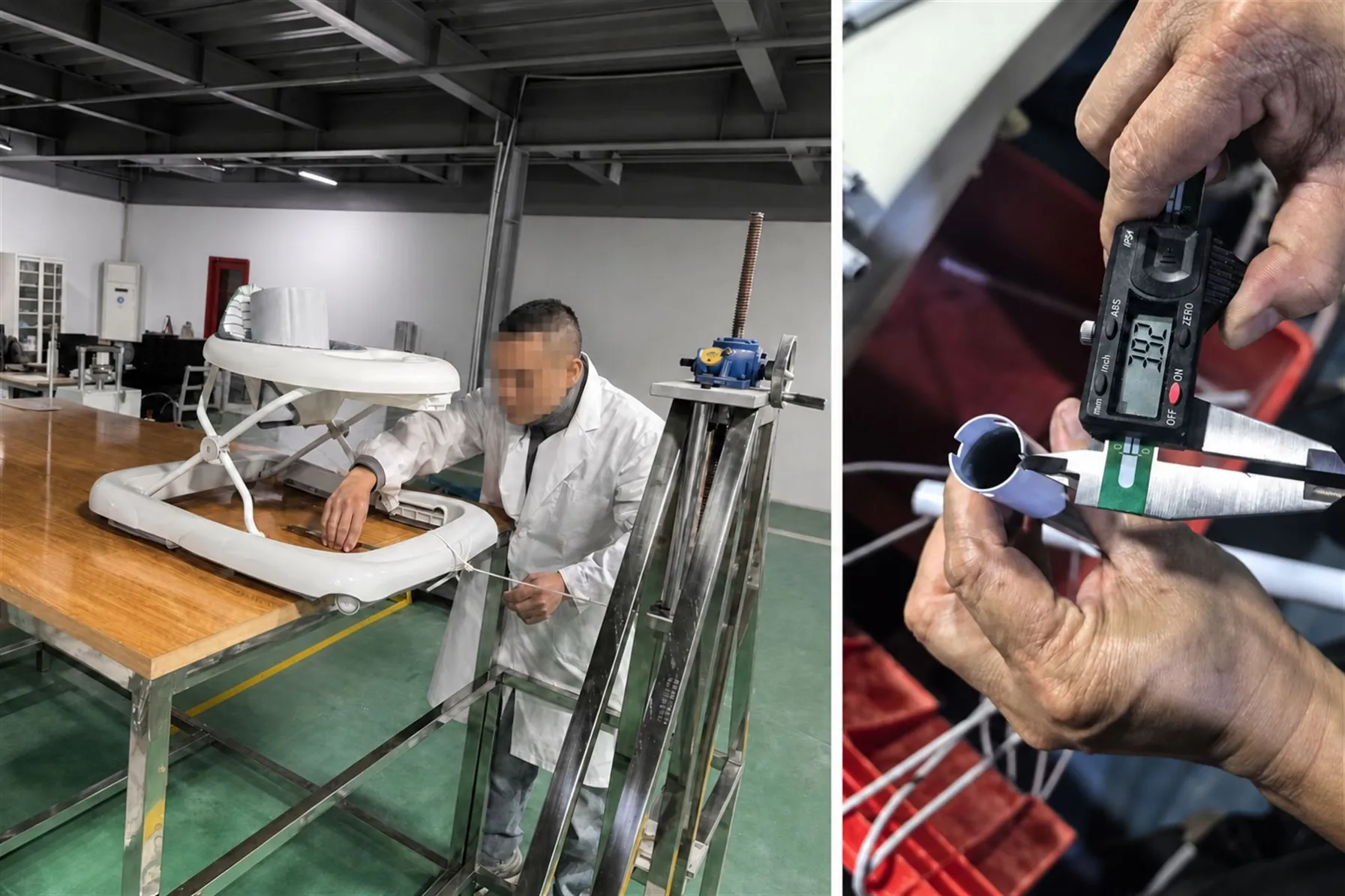
A pre-mass production sample is reviewed before bulk manufacturing and, once approved, becomes the agreed production reference. This guide focuses on how buyers record results, resolve deviations and authorize a specific sample revision—not just what the term means.
This guide is written for importers, distributors, Amazon sellers, retail buyers and private-label brands sourcing baby products, kids ride-on products, pet products or other custom manufacturing programs from China.
Pre-Mass Production Sample Checklist Before Bulk Manufacturing
Product size, structure and main function match the approved requirement
Fabric, plastic, metal, foam, corrugated board or other key material is confirmed
Color matches the approved sample, Pantone number, color chip or buyer reference
Logo position, printing method, embroidery, label or branding detail is correct
Packaging artwork, inner protection, carton size and packing quantity are confirmed
Barcode, SKU label, warning label, instruction sheet and carton marks are reviewed
Assembly method and accessories are checked if the product is shipped flat-packed
Critical workmanship details are photographed and recorded
Final quantity, mixed-color plan, lead time and shipment preparation are aligned
1. Confirm Materials and Color Before Production Release
Material and color approval should happen before the bulk order starts. Buyers should compare the pre-mass production sample with the approved fabric swatch, plastic color, metal finish, corrugated material, foam density or other key material reference.
For baby and kids products, this may include breathable fabric, frame finish, plastic parts, wheels, belts or user-facing touch points. For pet products, this may include EVA shells, mesh, zippers, scratching board, fabric lining, cleaning surface or packaging inserts.
2. Check Structure, Function and User-Facing Details
The sample should reflect how the final product will be used. Buyers should check folding points, support legs, wheels, handles, straps, zippers, buckles, seams, connectors, scratching surfaces, trays or any functional parts that influence user experience.
If a product has safety-related positioning or compliance documents, buyers should also confirm which documents, labels and market requirements are needed before shipment. Do not rely on a photo alone when structure or compliance details matter.
3. Review Packaging, Labels and Carton Marks
Packaging is one of the most common sources of production delay. Even if the product sample is correct, missing artwork, wrong barcode, unclear label language or incorrect carton marks can slow down packing and shipment.
Before bulk manufacturing, buyers should confirm retail packaging artwork, inner protection, carton size, packing quantity, SKU labels, barcode placement, warning information, instruction sheets and market-specific text.
Related guide: How U.S. Buyers Can Confirm Packaging, Labels and Lead Time Before OEM/ODM Production
4. Keep an Approval Record That Production Can Follow
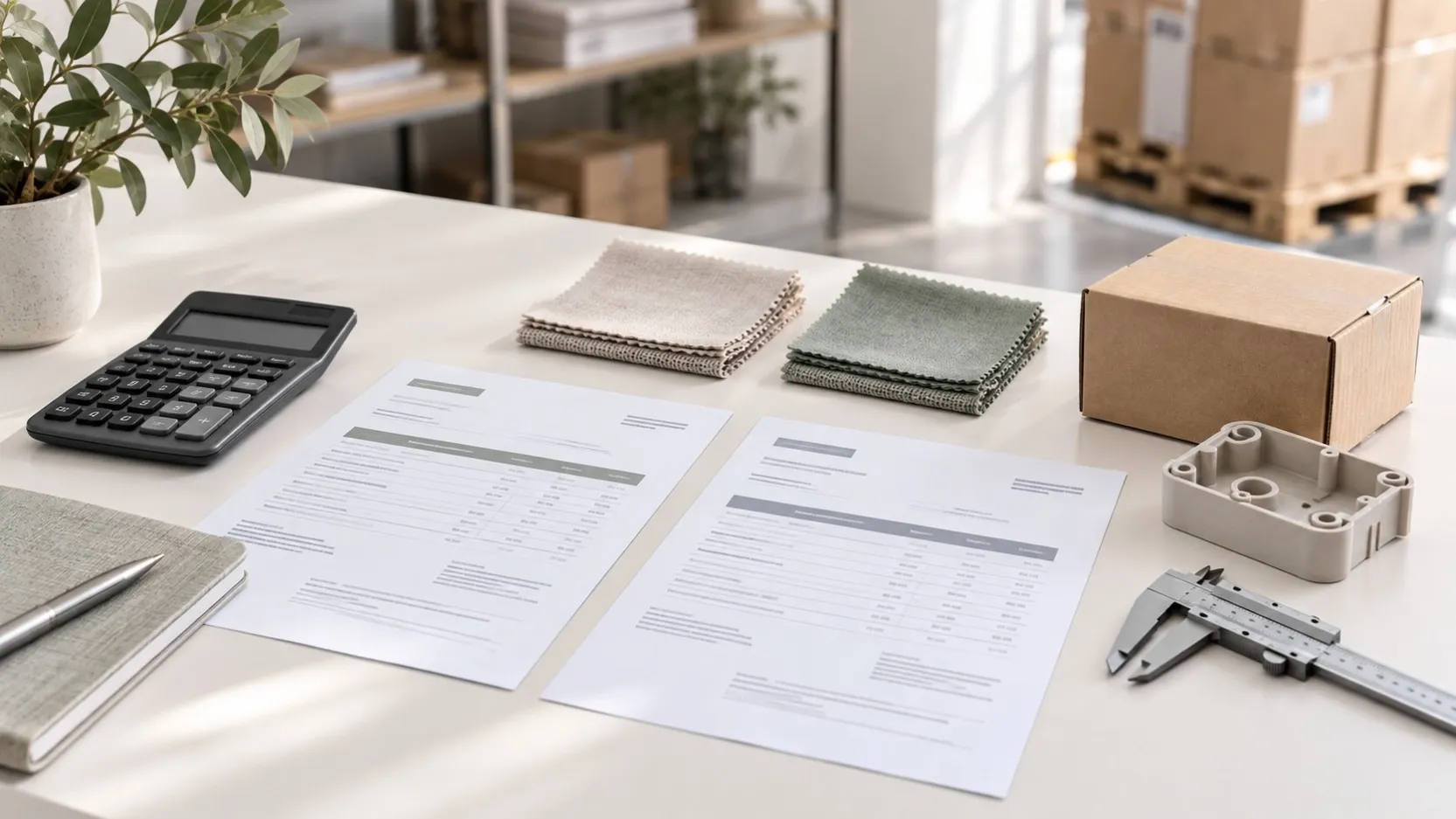
Create a written approval record before releasing the order. Record what was checked, the actual result, any deviation and who is authorized to approve the final revision. Use the form below to keep evidence and decisions together.
This record helps prevent different teams from following different versions of the product. It also gives the buyer and factory a shared reference if questions come up during production inspection or shipment preparation.
Copyable Sample Approval Record
Use one record for each model and revision. Add the order reference, target market, sample ID, specification revision and packaging artwork revision at the top. Copy the two-column form below and repeat it for each inspection item; do not pre-fill results as passed.
Record field | What to enter |
|---|---|
Inspection item | Identify the part or requirement being checked, such as carton packing quantity or bottom support. |
Agreed specification | State the approved drawing, material, dimension or artwork revision. Agree tolerances and test methods before reviewing results. |
Measured result | Record the actual measurement or observation, units, method and date. Write Not checked where evidence is missing. |
Photo / evidence reference | Record photo numbers, video files or report references linked to this sample revision. |
Deviation | Describe the difference from the agreed requirement. Use None only after checking. |
Corrective action and owner | Record what will change, the named responsible person and the due date. |
Verification after correction | Record the new evidence or revised sample, reviewer and closure date. |
Approval status | Use Hold / Resubmit / Approved for the stated scope. Identify any excluded or still-open items. |
Approver and date | Record the authorized buyer approver, approval date and exact sample / file revision. |
Keep a retained reference sample where practical and give the supplier the same approved record and files. Sample approval is not proof that every bulk unit conforms, and it does not replace agreed production inspection or applicable product testing.
Illustrative Example: A Flat-Pack Cardboard Cat Sofa
This is a hypothetical approval exercise, not a customer case or a completed inspection report. The current product reference is one flat-packed set per carton, 53 × 14 × 30 cm, with approximately 1.2 kg gross weight per packed set. Confirm the chosen version and tolerances in the order specification; these reference values are not measured results for your sample.
Example item: packing quantity and assembly completeness. Agreed requirement: one complete set per carton with the approved assembly instructions. Hypothetical observation: one set is present, but the instruction revision differs from the agreed artwork. Evidence reference: EXAMPLE-P01. Deviation: wrong instruction revision. Status: Hold for packaging approval.
Required action: the supplier replaces the instruction file and submits the revised packed sample or agreed evidence. Record the responsible person and due date. The buyer checks the correction, enters the actual result and signs the correct revision before releasing the affected packing work. Do not turn this example into a Pass record without checking the physical sample.
Also assemble the sample to check fit and completeness, measure and weigh the packed carton, and record the results separately. Any strength or transport test should use an agreed method and acceptance criteria; carton dimensions alone do not prove protection during delivery.
When to Hold Production or Request a Revised Sample
Hold the affected production or packing step when a required check is missing, a material or functional requirement differs from the specification, packaging or labeling is unresolved, or the sample and approval files refer to different revisions. Do not mark an untested requirement as passed because the sample looks acceptable.
For unresolved safety-related requirements, stop approval of the affected product and obtain appropriate technical review and evidence. A buyer signature or commercial concession does not replace applicable safety requirements.
Resubmit when a change affects material, structure, function or other features that need physical verification. For document-only corrections, agree what revised artwork and evidence are sufficient before approval. Photos alone may not establish fit, load performance or material properties.
Approve only the exact revision and scope that have been checked and accepted by the authorized buyer. If an exception is commercially acceptable, describe it explicitly in writing; do not treat an informal message such as Looks good as approval of every open issue. Reconfirm timing and costs case by case after changes.
How This Works Across Baby, Kids and Pet Product Programs
The same pre-mass production sample logic can apply across different LeKee Care product categories. A child car seat may require confirmation of structure, EPP protection, support leg details, fabrics, labels and carton loading. A baby cradle may focus on frame structure, breathable fabric, rocking function and packaging. A cat sofa may focus on corrugated cardboard structure, printing, flat-pack assembly and retail presentation.
The product category changes, but the approval discipline is connected: confirm the final sample, confirm the packaging, confirm the buyer-specific requirements and approve the production standard before the order scales up.
Related Product and Sourcing Pages
Frequently Asked Questions
Q: What is a pre-mass production sample?
A: It is the final approved sample used as the production reference before bulk manufacturing begins.
Q: Is a pre-mass production sample the same as a prototype?
A: No. A prototype tests a design direction. A pre-mass production sample should confirm the version that will be followed during mass production.
Q: What should buyers check before approving the sample?
A: Buyers should check materials, color, structure, function, logo position, packaging, labels, carton marks, accessories, workmanship and final approval records.
Q: Why does this matter for OEM/ODM orders?
A: OEM/ODM orders often include buyer-specific colors, logos, packaging and labels. A clear sample approval process helps reduce misunderstanding before the factory starts producing the full order.
Q: Can LeKee Care support sample approval for different product categories?
A: Yes. LeKee Care can support sample review and production coordination across selected baby, kids, pet and senior care product programs.
Request OEM/ODM Sample and Quotation Support
If you are preparing a new OEM/ODM order, send LeKee Care your product brief, reference photos, sample comments, packaging files, label requirements, target market and estimated quantity. Our team can help review the key points before bulk manufacturing starts.