Sep 14, 2026
Third-Party Inspection in China: What Buyers Should Confirm in Writing
Plan third-party inspection in China: agree on specifications, sampling, packaging, reports, costs and shipment release before booking.
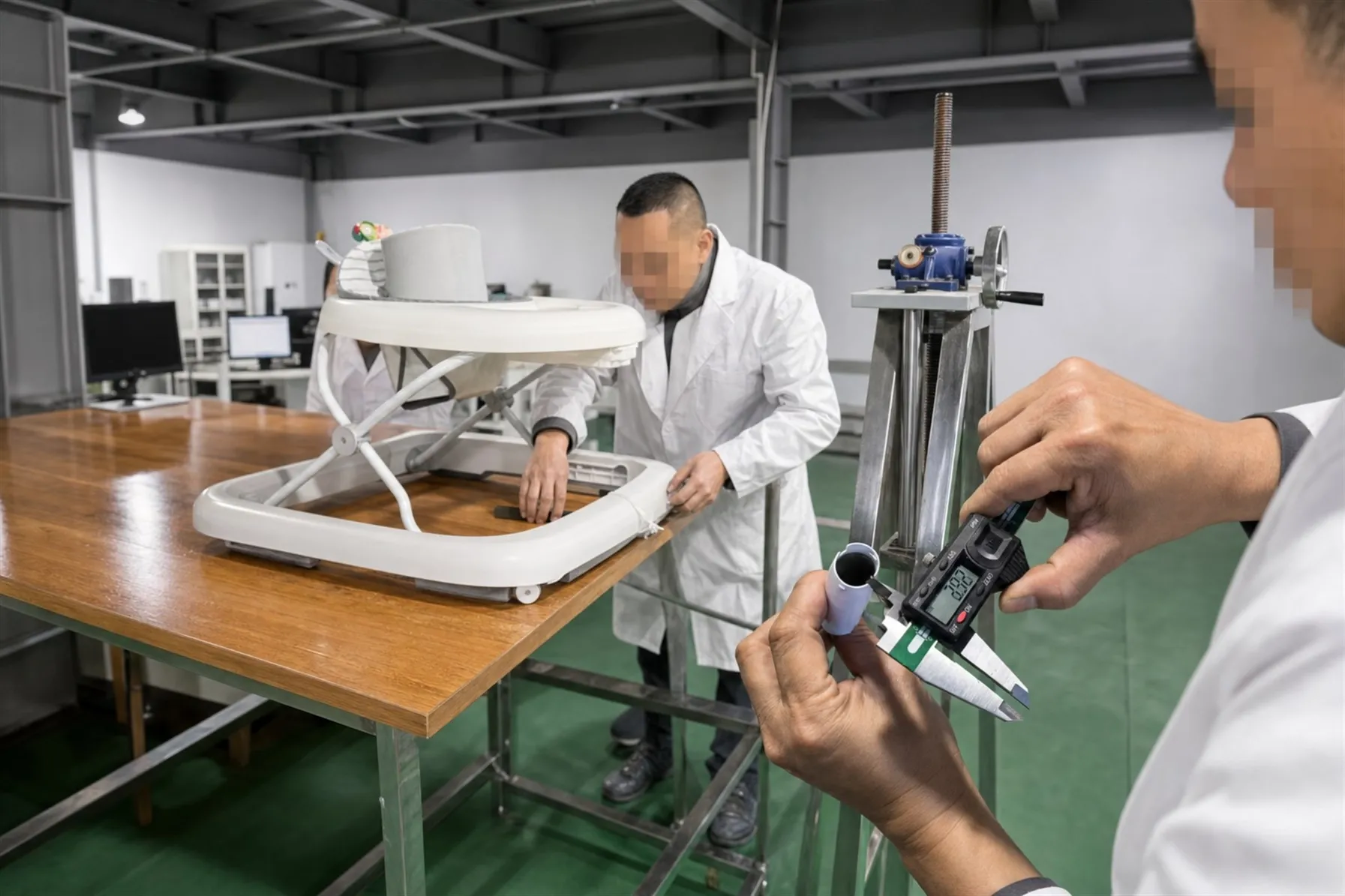
Before booking a third-party inspection, give the supplier and inspector the same written reference: the order specification, approved sample, inspection scope, acceptance criteria and shipment-release process. “Check the quality” is not a usable inspection instruction.
This guide covers buyer-arranged quality inspections for OEM/ODM orders. It is not a description of a government-mandated inspection scheme, laboratory certification or customs clearance approval.
For buyers in the United States, the United Arab Emirates and Lithuania, the destination changes the documentation and distribution requirements that need review. It does not remove the need for a clear agreement on what the inspector will check.
1. Identify the Exact Order and Approved Version
Start the inspection brief with the purchase order number, supplier contact, inspection location, product models and quantities by SKU and color. Attach a dated specification and identify the approved sample or reference photos.
Record any agreed change made after sample approval. A replacement fabric, revised label or different accessory should not exist only in a chat message that the inspector has never seen.
For the electric baby cradle, the selected fabric, functions, remote control and data cable need to be listed explicitly. An inspector cannot reliably check whether an accessory is missing without knowing whether it was included in the order.
2. Agree on Readiness and Access before Booking
Confirm the inspection date, production and packing status required for the visit, access to cartons and the equipment needed for agreed checks. Ask the inspector what level of readiness is necessary for the proposed service.
If only part of a mixed-model order is ready, clarify whether the visit covers that part or must be rescheduled. Do not treat a report on one model as approval of the entire shipment.
Name the person who will confirm readiness and define how changes to the booking will be communicated. This helps avoid paying for a visit when the goods, documents or personnel are not available.
3. Define Sampling and Acceptance Criteria
Agree with the inspection provider on the lot definition, sample selection, sample size and acceptance criteria. Where a sampling standard is used, record the actual standard and agreed settings rather than writing only “standard AQL.”
Specify which checks apply to sampled units, which apply to cartons and which need another method. Do not invent one universal sampling level for every product or order.
Examples of checks to define include:
Dimensions and the agreed measurement method and tolerance.
Appearance, printing, workmanship and finish.
Presence and operation of selected accessories.
Assembly and function checks within the agreed scope.
SKU, barcode, label and packing consistency.
Carton condition, packing quantity and measured gross weight.
Define defects using examples where practical. Also identify any findings that require an immediate hold and buyer review. A sampled inspection does not mean every unit has been checked or that the entire order is guaranteed defect-free.
4. Include Product-Specific Checks
Use the same inspection framework across categories, but change the actual checks to suit the product.
Product | Examples to specify in the inspection brief |
|---|---|
EVA pet carrier | Correct model and accessories; agreed shell and base checks; straps, mesh and closures; packing consistency |
Cardboard cat sofa | Complete parts; fit during assembly; printing; damage to edges and panels; flat-pack protection |
Electric baby cradle | Selected configuration; assembly; agreed functional checks; accessories, instructions and packaging |
For an EVA pet carrier, agree on any load or shape-retention check in advance, including the method and conditions. A photograph or a hand-squeeze demonstration is not a substitute for a defined test.
For a flat-packed cardboard cat sofa, ask whether an assembly check is included. Looking only at the outside of sealed cartons will not establish whether parts fit together.
5. Treat Packaging and Market Files as Part of the Brief
Attach the approved packaging artwork, instructions, label files, barcode references and carton marks. Define which versions the inspector should compare with the packed goods.
Do not ask the inspector to determine all market requirements during the visit. Agree separately on who reviews applicable product, labeling and documentation requirements before production.
U.S. buyer scenario
If goods are intended for a retail chain, marketplace or distributor warehouse, provide that channel’s agreed packing and identification instructions. Distinguish checks against supplied artwork from any separate testing or compliance review.
UAE buyer scenario
For a UAE importer buying mixed SKUs, identify the final destination and whether goods are for local distribution or onward shipment. If Arabic and English artwork is required for the project, have the buyer approve the exact files before inspection. Do not assume that one set of labels is suitable for every Middle Eastern destination.
Lithuania and European distribution scenario
For a Lithuanian private-label buyer, list the countries where the goods will actually be sold and the language versions, traceability details and supporting files to be reviewed. A delivery address in Lithuania does not by itself define every requirement for onward European sales.
These are planning scenarios, not blanket statements of legal requirements. Requirements must be checked for the product and intended market. A quality inspection report is not a substitute for that review.
6. Confirm the Report and Who Can Release the Shipment
Agree on the report format and evidence required: photos, measured results, defects, affected models and any checks that could not be completed. The report should make the inspected scope and its limitations visible.
Name the person responsible for reviewing the report and communicating the release decision. State the release conditions in the order agreement, including any agreed corrective action and payment requirements. Do not assume that a completed visit automatically authorizes shipment.
7. Put Inspection and Reinspection Costs in Writing
Clarify who books and pays for the initial visit, what happens if the goods are not ready, and how additional visits or changed scope are charged.
For LeKee Care orders, independently arranged third-party inspection is accepted. Please coordinate at least seven days in advance and agree on scope, sampling, acceptance criteria and reporting. Under our standard arrangements, the buyer pays the initial inspection fee.
If goods do not conform to the written specifications, correction and reasonable reinspection costs agreed in advance are addressed under our commercial arrangements. Specific terms are discussed case by case and subject to the final written agreement. Read the payment, samples and third-party inspection FAQ.
A Short Inspection Brief Buyers Can Prepare
Field | What to provide |
|---|---|
Order reference | Purchase order, model, SKU, color and quantity |
Approved version | Dated specification, sample reference and approved changes |
Readiness | Visit date, required production and packing status, site contact |
Method | Agreed checks, sampling approach, tolerances and equipment |
Acceptance | Defect definitions and agreed pass, hold or review criteria |
Packaging | Artwork, labels, instructions, carton marks and packing list |
Reporting | Required photos, measurements, limitations and recipients |
Follow-up | Correction, reinspection costs and shipment-release authority |
Frequently Asked Questions
Can we use our own inspection company?
Yes. Discuss the visit with LeKee Care in advance so the location, timing, scope and required access can be coordinated. Final arrangements are project-specific.
Is inspection the same as laboratory testing?
No. A quality inspection checks goods against an agreed scope. Laboratory testing is separate work with its own methods and purpose. Budget and arrange each service according to the project.
What if the supplier and inspector disagree about a defect?
Refer to the written specification, approved sample and acceptance criteria. Record the disputed finding and have the designated parties review it before the agreed release decision. Avoid relying on an undocumented verbal standard.
Should we inspect before or after packing?
Choose the timing with the inspection provider according to the work required. If packaging is part of the scope, the relevant packed goods and approved packaging references must be available.
Prepare the Order before Preparing the Inspection
Clear quotations and approved specifications make inspection more useful. Read how to compare supplier quotes and avoid missing costs, then send your product model, quantity, destination, approved files and inspection expectations through our OEM/ODM inquiry page.
The goal is not simply to receive a report. It is to give the buyer, supplier and inspector a shared written basis for deciding what happens next.